
From River to Table 2025: How Guyana’s Sustainable Fishing Culture Is Shaping a New Wave of Eco-Culinary Tourism
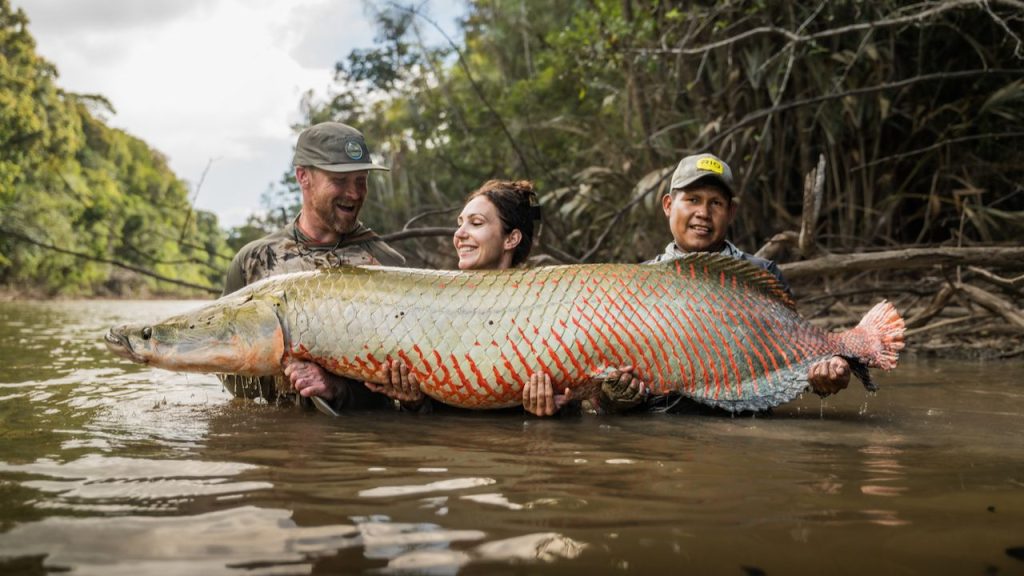
Guyana’s waterways have always fed its people — culturally, spiritually, and economically. In 2025, these same rivers, creeks, and Atlantic shores are now fueling something even bigger: a new wave of sustainable fishing tourism and eco-culinary travel that is placing Guyana firmly on the global responsible-tourism map. As travelers search for authentic, ethical, and community-driven experiences, Guyana’s fishing villages are becoming destinations in their own right.
This transformation is not only strengthening rural economies but also redefining how visitors experience Guyanese culture — directly from the river to the table.
Fishing in Guyana: An Ancient Economic Lifeline
Long before modern tourism, fishing sustained Indigenous communities along the Essequibo, Demerara, Berbice, and countless tributaries. Today, that legacy continues in riverain villages where traditional fishing techniques still coexist with modern harvesting.
Visitors traveling through Guyana’s mighty waterways often encounter this living tradition while exploring communities featured in scenic river journeys such as those highlighted in Life Along the River: Exploring Guyana’s Timeless Waterway Villages, where culture and daily river life blend seamlessly with nature. These communities now form the backbone of Guyana’s emerging fishing-tourism network.
Sustainability at the Center of the 2025 Tourism Shift
With global attention focused on climate change and marine preservation, Guyana’s government, NGOs, and community groups have introduced new sustainable fishing zones and conservation training programs in 2025. These efforts protect fish stocks, mangrove ecosystems, and breeding grounds, especially along the Atlantic coastline.
This complements the nationwide conservation momentum already growing through coastal protection efforts such as Guyana’s Mangrove Revival 2025, where coastal restoration is deeply tied to both climate resilience and eco-tourism.
Today’s visitors are not just watching fishermen at work — they are learning:
• How traditional nets differ from commercial trawling
• Why seasonal catch limits protect river biodiversity
• How mangrove forests safeguard fish nurseries
• How Indigenous knowledge helps preserve river ecosystems
The Rise of “Catch-and-Cook” Cultural Tourism
One of the most exciting developments in 2025 is Guyana’s rise in catch-and-cook tourism. Travelers can now spend mornings fishing with local families, then prepare traditional dishes using freshly caught bangamary, hassar, patwa, tilapia, and shrimp.
This immersive experience connects strongly with the country’s ever-growing reputation for culinary tourism already highlighted in Tastes of Tradition: Exploring the Heart of Guyana’s Food Culture. River fish curries, coconut-based stews, smoked fish pepperpot, and cassava side dishes are now becoming major travel attractions.
For many tourists, this is their first opportunity to:
• Fish using Indigenous bamboo rods
• Clean and smoke fish over open fires
• Grind spices the Guyanese way
• Eat meals prepared entirely from river-sourced ingredients
Fishing Festivals and River Celebrations in 2025
Fishing culture in Guyana is never separated from celebration. Across coastal villages and river communities, fishing festivals now blend:
• Boat races
• Seafood cooking competitions
• Folk music and drumming
• River blessing ceremonies
• Craft and net-making demonstrations
These celebrations tie naturally into the broader festival culture already drawing thousands of visitors to events like those featured in River Rhythms 2025: The Living Tradition of Boat Racing and River Festivals in Guyana.
Tourists arriving during these events experience not just food but also living folklore, performance art, and river-centered spirituality.
Link Between Fishing Tourism and Community-Based Travel
What makes this movement truly powerful is that most fishing tourism initiatives are fully community-owned. Villages manage their own guesthouses, boat tours, fishing guides, and food experiences. This aligns directly with Guyana’s growing community tourism model, where entire villages benefit instead of outside corporations.
Many of these villages are now part of Guyana’s expanding eco-tourism network alongside destinations such as the Iwokrama Rainforest and Rupununi Savannahs. The economic ripple effect is significant:
• Higher household income
• Youth employment
• Preservation of traditional knowledge
• Reduced urban migration
• Stronger food security
This reflects the same development philosophy discussed in The Rise of Community Tourism in Guyana 2025: How Villages Are Shaping the Future of Travel.
Seafood Tourism along Guyana’s Atlantic Coast
On Guyana’s northern coast, fishing culture meets the Atlantic with vibrant seafood hubs in areas like Mahaica, Rosignol, and Shell Beach. Fresh sea catch now supplies:
• Seafood street food festivals
• Open-air coastal fish markets
• Lodge-based seafood dining experiences
• Eco-resort culinary programs
These coastal attractions perfectly complement eco-tourism sites such as Shell Beach: Where the Ocean Meets the Wild Heart of Guyana, where marine conservation meets tourism growth.
Visitors to the coast now enjoy:
• Lobster and shrimp grilling experiences
• Sea-to-plate dining at coastal eco-lodges
• Night fishing tours under moonlight
• Educational marine conservation workshops
Fishing Tourism and Guyana’s Global Eco-Reputation
International travelers in 2025 are seeking low-impact experiences, authentic production chains, and meaningful cultural exchange. Guyana’s fishing tourism satisfies all three by offering:
• Carbon-light river transport
• Natural food sourcing
• Minimal industrial processing
• Direct community participation
Combined with Guyana’s already thriving wildlife, river, and rainforest attractions — such as those explored in Into the Green Heart: Discovering the Amazon of Guyana — fishing tourism now strengthens the country’s brand as one of South America’s most sustainable destinations.
What Travelers Can Expect in 2025 Fishing Experiences
Tour operators and village cooperatives now offer fishing-tour packages that include:
• Sunrise river fishing with local guides
• Seafood cooking classes
• River village homestays
• Night net fishing experiences
• Cultural storytelling by elders
• Boat tours through mangrove creeks
Unlike luxury resort tourism, these experiences focus on education, authenticity, and cultural preservation.
Why Fishing Tourism Matters for Guyana’s Future
Fishing tourism is more than a travel trend — it is reshaping Guyana’s rural development model. By placing value on traditional knowledge and environmental stewardship, Guyana avoids extractive tourism and instead builds a circular economy rooted in culture and conservation.
In 2025 and beyond, fishing culture is no longer hidden in remote villages — it is stepping onto the global stage as a vital part of Guyana’s tourism identity.
Final Thoughts: A Living Culture Flowing with the Rivers
From the quiet bends of the Essequibo to the crashing waves of the Atlantic, Guyana’s fishing culture remains a living, breathing heritage. As tourism grows, this heritage is not being replaced — it is being elevated, protected, and shared with the world.
For travelers who want more than sightseeing — who want connection, sustainability, and story — Guyana’s river-to-table journey in 2025 offers one of the most authentic travel experiences anywhere in the Caribbean and South America.