
Starry Skies & Silent Forests: Why Guyana Is Becoming the Caribbean’s Top Astro-Tourism Destination in 2025
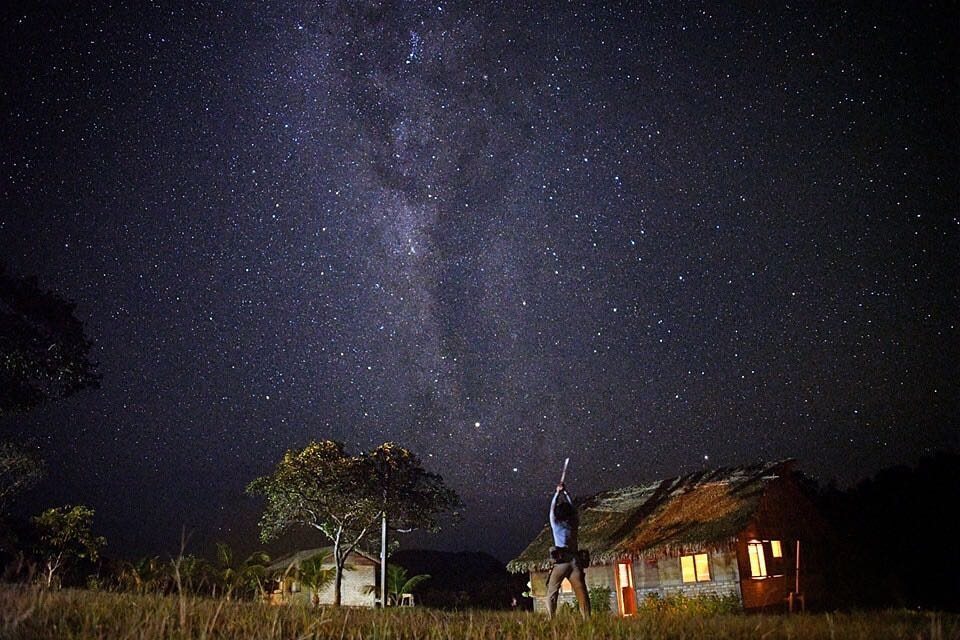
While much of the world’s night skies are fading under urban light pollution, Guyana remains one of the few places on Earth where the Milky Way still burns bright across untouched rainforest canopies. In 2025, a new form of travel is quietly rising across the country—astro-tourism—where travelers journey not for beaches or cities, but for stars, silence, and celestial wonder.
From riverbanks in the interior to savannah skies in the south, Guyana is emerging as a global dark-sky paradise.
What Is Astro-Tourism?
Astro-tourism is a form of travel centered on:
-
Stargazing
-
Astrophotography
-
Meteor shower watching
-
Lunar observation
-
Indigenous sky storytelling
-
Night-sky conservation experiences
Unlike observatories in urbanized countries, Guyana’s version of astro-tourism takes place inside living ecosystems, surrounded by wildlife, rivers, and ancestral sky knowledge.
In 2025, this form of travel is attracting:
-
Nature photographers
-
Scientists and student researchers
-
Night-sky explorers
-
Documentary filmmakers
-
Eco-conscious travelers
Why Guyana’s Skies Are Among the Darkest in the World
Guyana has several rare advantages:
-
Extremely low population density
-
Vast, uninterrupted rainforest coverage
-
Limited industrial light pollution
-
Large protected conservation zones
-
Clear equatorial skies year-round
Unlike many Caribbean destinations dominated by city lights and resorts, Guyana’s interior villages still experience total natural darkness after sunset—creating ideal conditions for advanced stargazing and astrophotography.
Top Astro-Tourism Regions in Guyana
Rupununi Savannahs
The open landscapes of the Rupununi offer some of the clearest horizon-to-horizon night skies in South America. With virtually no artificial light, this region allows full-spectrum stargazing, including:
-
Southern Cross constellations
-
Magellanic Clouds
-
Seasonal meteor storms
-
Bright planetary alignments
The vast silence of the savannah at night turns stargazing into a deeply meditative travel experience.
Upper Essequibo & Deep Interior Lodges
Along the remote branches of Guyana’s longest river, eco-lodges are now offering:
-
Guided stargazing nights
-
Telescope observation decks
-
Solar-powered night camps
-
Astrophotography workshops
Here, travelers experience stars mirrored in slow-moving blackwater rivers below.
Kaieteur & Protected Forest Zones
Near Guyana’s most iconic waterfall and surrounding protected reserves, strict development controls preserve almost perfect night darkness. When conditions align, visitors witness:
-
Full lunar rainbows
-
Star reflections in mist clouds
-
Deep-space clusters normally lost to light pollution elsewhere
Indigenous Sky Knowledge & Celestial Storytelling
Long before modern astronomy, Guyana’s Indigenous peoples navigated by stars, predicted seasons by constellations, and passed on sky knowledge through oral tradition.
In 2025, villages are reviving:
-
Star-based farming calendars
-
Sky legends of ancestral spirits
-
Moon-cycle fishing traditions
-
Constellation naming systems unique to forest cultures
Through community-led tourism programs, travelers now experience night-sky storytelling around fire circles, blending science, culture, and spirituality.
Astro-Tourism Meets Eco-Tourism
Unlike observatory-based stargazing elsewhere, Guyana’s astro-tourism is fully integrated with eco-tourism:
-
Stargazing from rainforest canopy decks
-
Night safaris under moonlight
-
River night paddling under constellations
-
Bioluminescence observation during low-moon nights
-
Wildlife soundscapes synced with meteor showers
This fusion of astronomy + rainforest ecology + Indigenous heritage makes Guyana’s night tourism experience globally unique.
Climate Change, Conservation & Dark-Sky Protection
Astro-tourism is also strengthening environmental protection. To preserve dark skies, many regions now promote:
-
Low-impact solar lighting
-
Shielded village lamps
-
Night-friendly lodge designs
-
Light-pollution education for local communities
-
Conservation zoning for night habitats
These measures benefit:
-
Nocturnal wildlife
-
Migratory birds
-
Forest insects
-
Night-dwelling mammals
In this way, protecting the stars also protects the rainforest.
Best Time for Stargazing in Guyana (2025)
Although stargazing is possible year-round, the best periods include:
-
Dry Season (September – April): Clear skies, minimal cloud cover
-
Meteor Shower Peaks: August, December, April
-
New Moon Phases: Optimal for deep-sky observation
-
Savannah Clear Nights: Ideal from January to March
Professional tour planners now align itineraries with lunar and meteor calendars.
Astro-Photography: A New Creative Tourism Sector
In 2025, Guyana is quickly becoming a dream location for:
-
Nightscape photographers
-
Time-lapse filmmakers
-
Drone-based night mapping (regulated zones)
-
Science documentary crews
Unfiltered skies allow:
-
Long-exposure galaxy photography
-
Bio-luminescent river captures
-
Aurora-free southern sky imaging
-
Wildlife-under-stars compositions
This creative tourism is boosting:
-
Equipment rentals
-
Photography guiding services
-
Local editing studios
-
International media interest
How Astro-Tourism Supports Village Economies
Astro-tourism creates low-impact income without damaging ecosystems:
-
Night guides and cultural interpreters
-
Homestay accommodations
-
Canoe operators for night river tours
-
Storytellers and cultural educators
-
Youth technology and astronomy assistants
Because this tourism operates mostly at night, it allows communities to maintain regular daytime livelihoods while earning additional income at night.
Astro-Tourism & Guyana’s Future Travel Identity
Guyana is rapidly becoming known not only for:
-
Rainforests
-
Rivers
-
Wildlife
-
Culture
But now also for:
-
Dark-sky conservation
-
Celestial heritage tourism
-
Space science education travel
-
Astro-eco discovery journeys
As space exploration increases globally, destinations with untouched night environments will grow in importance—and Guyana already holds one of the world’s last great natural night skies.
Final Thoughts: A Destination Written in the Stars
In 2025, travelers are no longer just chasing beaches and cities—they are chasing silence, darkness, and wonder. Guyana offers something few nations still can: a living sky untouched by artificial glow.
Here, the stars are not distant—they are reflections in rivers, guides in stories, and companions in the night.
Astro-tourism is no longer a future dream in Guyana. It is quietly becoming one of its most powerful travel identities.