
From Bean to Bar 2025: Discovering Guyana’s Cocoa & Chocolate Tourism Revolution
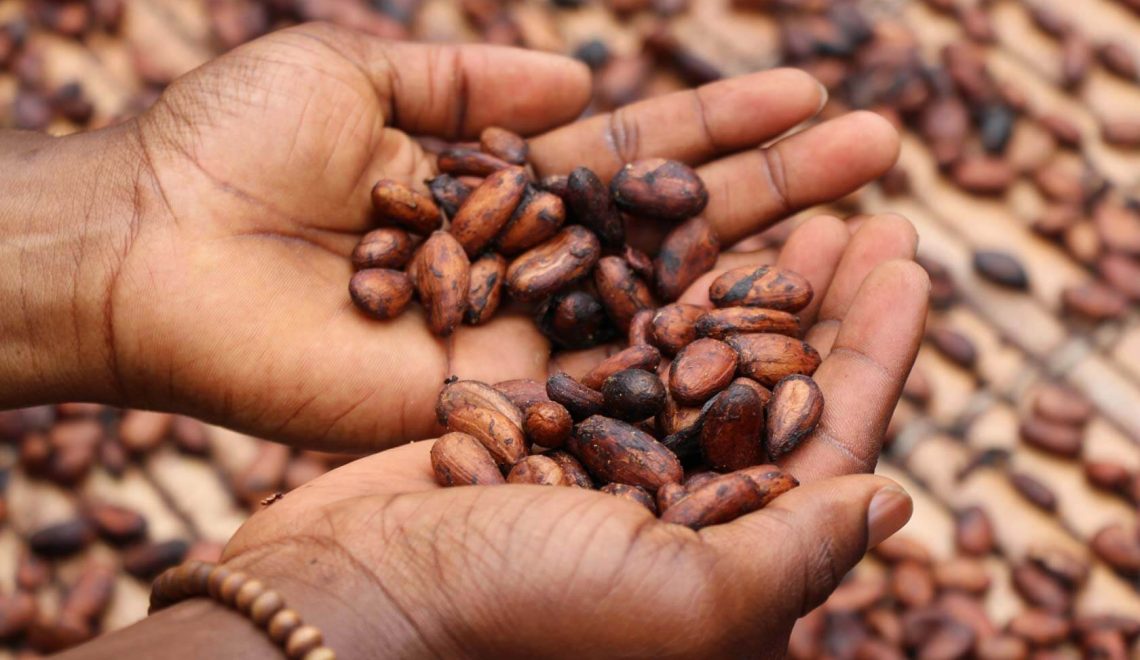
In 2025, Guyana is quietly crafting a new chapter in its cultural tourism story—one rooted deep in the soil, shaped by rainforest rain, and perfected by generations of farmers: cocoa. Once known mainly as an agricultural export, Guyana’s fine-flavoured cocoa is now stepping into the tourism spotlight through farm tours, artisanal chocolate making, village experiences, and eco-agro travel.
This rise of chocolate tourism is adding a delicious new layer to Guyana’s already rich eco-cultural identity.
Guyana’s Long Relationship with Cocoa
Cocoa has been grown in Guyana for centuries, especially in river-rich regions where fertile soils and humid climates create ideal growing conditions. For decades, cocoa remained a quiet backbone of rural livelihoods—supporting families through farming, fermenting, drying, and trading.
In 2025, this traditional crop is now being re-imagined as a premium tourism and heritage experience, connecting visitors directly to the land and the people who cultivate it.
Where Cocoa Flourishes in Guyana
Pomeroon & Essequibo River Regions
These lush river valleys are home to some of Guyana’s most productive cocoa farms. Visitors now travel through shaded cacao groves by boat and trail, experiencing farm life firsthand.
These same river communities are already known for their cultural and ecological significance:
👉 https://www.travelguyana.co/2024/11/19/discovering-the-essequibo-river-and-indigenous-communities-a-journey-through-guyanas-cultural-and-natural-wonders/
Rupununi Edges & Forest Farms
Along the forest fringes of the Rupununi, small Indigenous and family-owned cocoa farms are blending traditional farming knowledge with modern fermentation techniques.
This region also plays a major role in wildlife and eco-tourism:
👉 https://www.travelguyana.co/2025/11/02/wild-wonders-of-guyana-exploring-the-untamed-beauty-of-its-wildlife/
What Is Cocoa & Chocolate Tourism?
Chocolate tourism in Guyana is not about factories—it is about slow, immersive, farm-to-bar experiences. Travelers in 2025 can now:
-
Walk through live cocoa estates
-
Harvest ripe cocoa pods
-
Learn traditional fermentation and sun-drying methods
-
Roast and grind beans by hand
-
Make their own artisanal chocolate
-
Taste single-origin Guyanese cocoa products
-
Share meals and stories with farmers
This form of tourism blends perfectly with Guyana’s growing eco-tourism identity:
👉 https://www.travelguyana.co/2024/12/17/eco-friendly-travel-experiences-community-based-tourism-and-conservation-efforts-in-guyana/
Village-Led Cocoa Tourism & Community Impact
Cocoa tourism is being driven primarily by community-owned farms and cooperatives. Instead of large corporations controlling the experience, villages now host:
-
Guided cocoa walks
-
Home-based chocolate kitchens
-
Agro-tourism guesthouses
-
Cultural food tastings using cocoa-based recipes
-
Youth-run tour guiding services
This mirrors the national movement toward village-led travel:
👉 https://www.travelguyana.co/2025/11/26/the-rise-of-community-tourism-in-guyana-2025-how-villages-are-shaping-the-future-of-travel
Income from tourism now helps farmers reinvest into:
-
Better fermentation houses
-
Solar dryers
-
Organic farming methods
-
Youth agricultural training
Cocoa, Culture & Guyanese Food Heritage
Cocoa is not only about chocolate bars—it is deeply woven into Guyanese culinary tradition. In rural communities, cocoa is used for:
-
Traditional cocoa tea
-
Cocoa sticks mixed with spices
-
Homemade sweet drinks
-
Festival treats
This connects naturally with Guyana’s broader food culture:
👉 https://www.travelguyana.co/2025/11/13/tastes-of-tradition-exploring-the-heart-of-guyanas-food-culture/
For visitors, cocoa tourism becomes both a cultural and a culinary experience.
Sustainability & Climate-Smart Farming in 2025
Modern cocoa farming in Guyana is embracing:
-
Shade-grown cocoa under rainforest canopy
-
Organic pest control
-
Biodiversity protection
-
Riverbank conservation
-
Mangrove protection near coastal farms
These practices help protect Guyana’s fragile ecosystems, complementing coastal conservation efforts such as:
👉 https://travelguyana.co/2025/11/26/guyanas-mangrove-revival-2025-where-coastal-conservation-meets-eco-tourism/
Cocoa trees themselves act as long-term carbon sinks, making chocolate tourism part of Guyana’s climate-smart future.
Chocolate Festivals & Agro-Tourism Events
In 2025, cocoa-themed fairs, tasting days, and agricultural showcases are becoming part of local tourism calendars. These events typically feature:
-
Chocolate tasting competitions
-
Farmer storytelling sessions
-
Youth innovation exhibits
-
Artisan dessert kitchens
-
Cultural dance and music
They often align with national expos and trade celebrations such as:
👉 https://www.travelguyana.co/2025/11/15/guyexpo-2025-a-night-of-noise-colour-and-opportunity/
Best Time for Cocoa & Farm Tourism in Guyana
Cocoa harvesting generally peaks during:
-
Main season: September – January
-
Mid-season: April – June
These periods are ideal for:
-
Harvest participation tours
-
Chocolate-making workshops
-
Rural homestay travel
-
River and forest agro-adventures
Pairing Cocoa Tourism with Other Guyana Experiences
Cocoa farm visits pair beautifully with:
-
River sunset tours
👉 https://www.travelguyana.co/2025/11/07/discover-serenity-the-demerara-river-sunset-tour-with-trail-masters-adventure-tours/ -
Rainforest and wildlife expeditions
👉 https://www.travelguyana.co/2025/11/03/into-the-green-heart-discovering-the-amazon-of-guyana/ -
Cultural village travel
👉 https://www.travelguyana.co/2025/11/21/amerindian-heritage-month-journeying-into-the-heart-of-guyanas-first-peoples/
Together, these experiences allow travelers to explore nature, culture, food, and farming in one journey.
Why Cocoa Tourism Matters for Guyana’s Future
Cocoa and chocolate tourism supports:
-
Rural economic diversification
-
Youth employment in agriculture
-
Preservation of traditional farming knowledge
-
Women-led cottage industries
-
Sustainable export branding
-
Cultural storytelling through food
It positions Guyana not only as an eco-tourism destination—but also as a premium agro-tourism and culinary heritage destination.
Final Thoughts: A Sweet New Chapter for Guyana Travel
In 2025, Guyana’s cocoa farms are no longer hidden behind export statistics. They are becoming living tourism landscapes—where travelers touch the soil, taste the history, and connect with farming communities who have nurtured this crop for generations.
From rainforest shade to handcrafted chocolate, cocoa tourism now tells one of Guyana’s most hopeful stories—where tradition, sustainability, and travel meet in every bite.