Welcome to Travel Guyana, where everything sweet about Guyana comes alive! From the mouth-watering pepperpot and cassava bread to the rich blend of cultures that make up our festivals and everyday life, we’re here to tell the world what makes us special.
Gallery
Social Account
Travel Guyana
Through the Canopy: Exploring Guyana’s Iwokrama Rainforest – Travel Guyana
Through the Canopy: Exploring Guyana’s Iwokrama Rainforest – Travel Guyana
Introduction
Deep in the heart of Guyana lies one of the last untouched rainforests on Earth — the Iwokrama Forest. A living laboratory of biodiversity, Iwokrama stretches across nearly one million acres of pristine wilderness in central Guyana, offering an unparalleled experience for eco-travelers and nature lovers. For those seeking a true adventure far from the ordinary, this is where the wild heart of South America beats.
A Forest That Protects the World
The Iwokrama International Centre was established as a model for sustainable rainforest management — a bold experiment to prove that conservation and development can coexist. The forest stores massive amounts of carbon, helping fight global climate change, while also supporting local communities and tourism.
Visitors can explore knowing that every step helps preserve a global treasure.
The Journey In
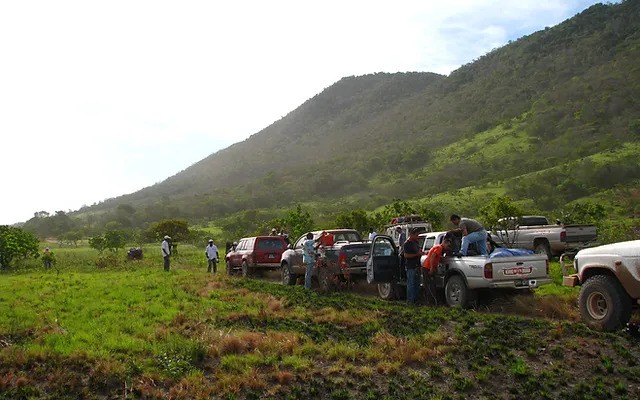
Getting to Iwokrama is an adventure in itself. The journey from Georgetown along the Linden–Lethem Trail passes through savannahs, dense rainforest, and small indigenous villages. Travelers are greeted by the mighty Essequibo River, where the Iwokrama River Lodge stands as a gateway to the rainforest experience.
Walk Among Giants
At Iwokrama, nature surrounds you — and towers above you. The Iwokrama Canopy Walkway, suspended 30 meters above the forest floor, offers breathtaking views of the green expanse and its wildlife. From here, visitors may spot scarlet macaws, howler monkeys, or even the elusive jaguar, a proud symbol of Guyana’s wilderness.
As the light filters through the canopy, you’ll feel the pulse of the forest — timeless, ancient, and alive.
Wildlife Encounters
Iwokrama is home to over 500 species of birds, 130 species of mammals, and countless reptiles, amphibians, and insects. It’s a paradise for photographers, researchers, and adventurers alike. Visitors often take guided hikes, night safaris, or river tours where they might glimpse a giant river otter, a black caiman, or the harpy eagle, one of the world’s most powerful birds of prey.
Indigenous Wisdom
The nearby Macushi communities play a vital role in Iwokrama’s success. Locals serve as guides, sharing generations of traditional knowledge about plants, animals, and the delicate balance of the forest. Their connection to the land runs deep — this isn’t just tourism, it’s cultural exchange and respect in action.
A Night in the Wild
Staying overnight at the Iwokrama River Lodge or one of the community-run eco-lodges is an experience unlike any other. Fall asleep to the symphony of frogs, wake up to the call of toucans, and sip your morning coffee as mist rises over the Essequibo.
Every sunrise here feels like the first one on Earth.
Sustainability in Action
Iwokrama stands as a beacon of eco-friendly tourism. Visitors contribute directly to conservation efforts, education programs, and local livelihoods. The project shows that tourism, when done right, can sustain both nature and people — a model the world can learn from.
Plan Your Visit
Best time to visit: September to April, when the trails are dry and wildlife is most active.
How to get there: Domestic flights to Lethem or Annai, followed by a scenic drive or river transfer.
To walk through Iwokrama is to witness nature’s masterpiece — a living, breathing testament to Guyana’s role as a guardian of the Earth. Whether you come for science, adventure, or simply to stand in awe, this rainforest will leave you changed.
In Guyana, the wild doesn’t just surround you — it welcomes you. 🌿
Share Article:
Anik Rahaman
Subscribe to Magazine
Dont’t miss any updates of our new magazine publications. Subscribe now and get your Magazine for Free.